Someone has to be the first: Reflections on the first Psychological Patterning Process
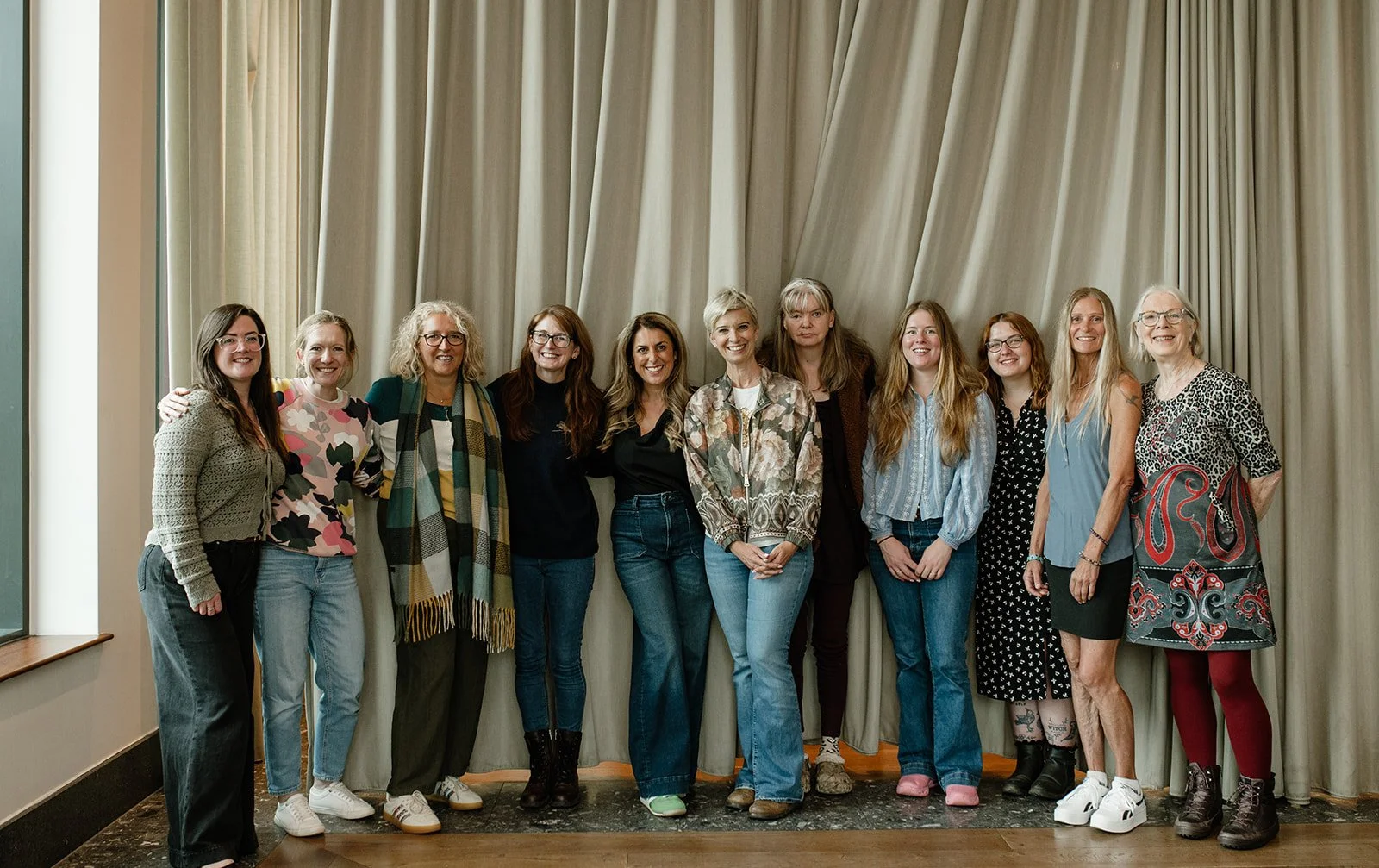
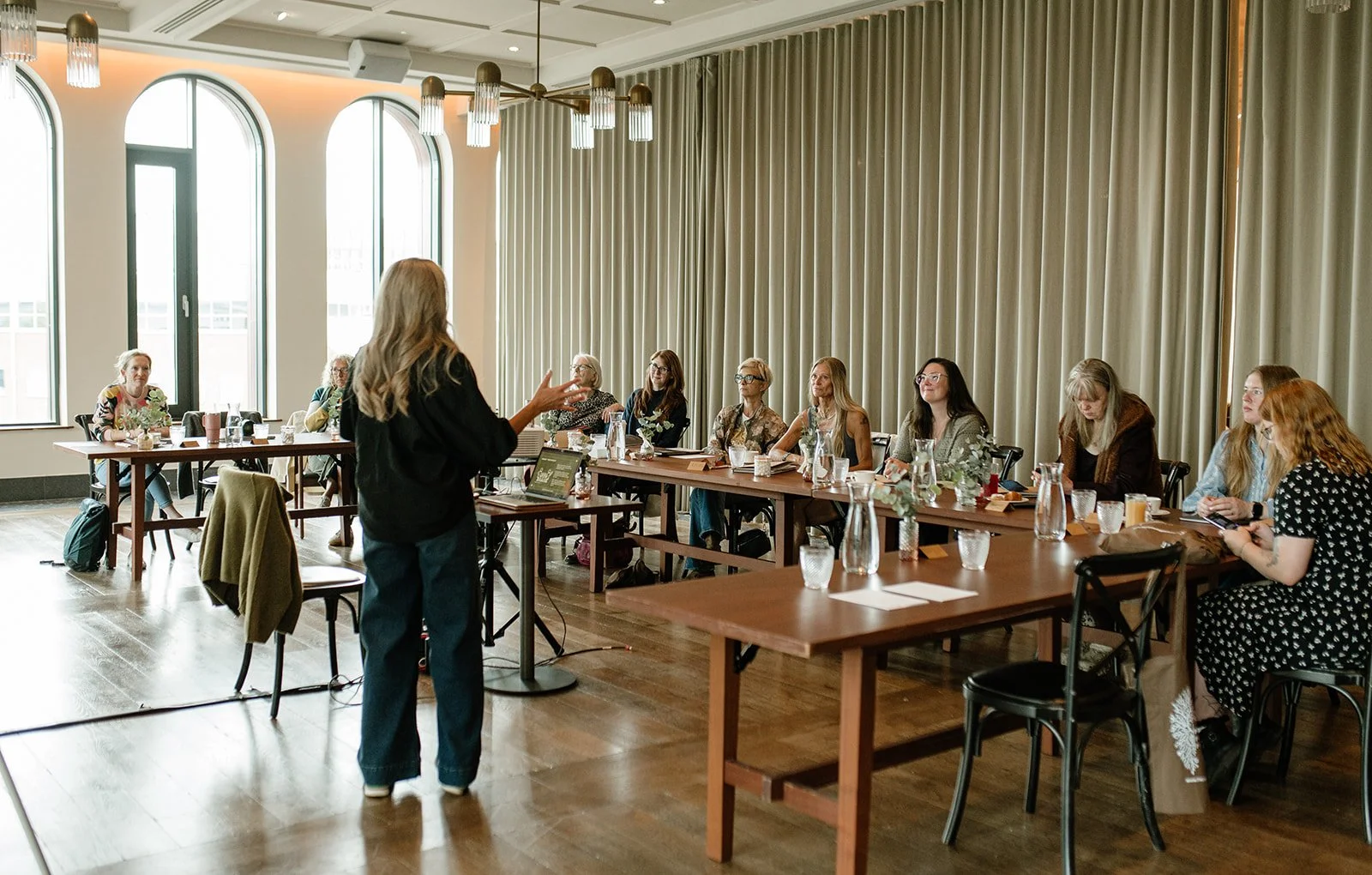
First Cohort of Psychological Patterning Practitioners | Nottingham 11/2026 - minus Anna Dunleavy (photography)
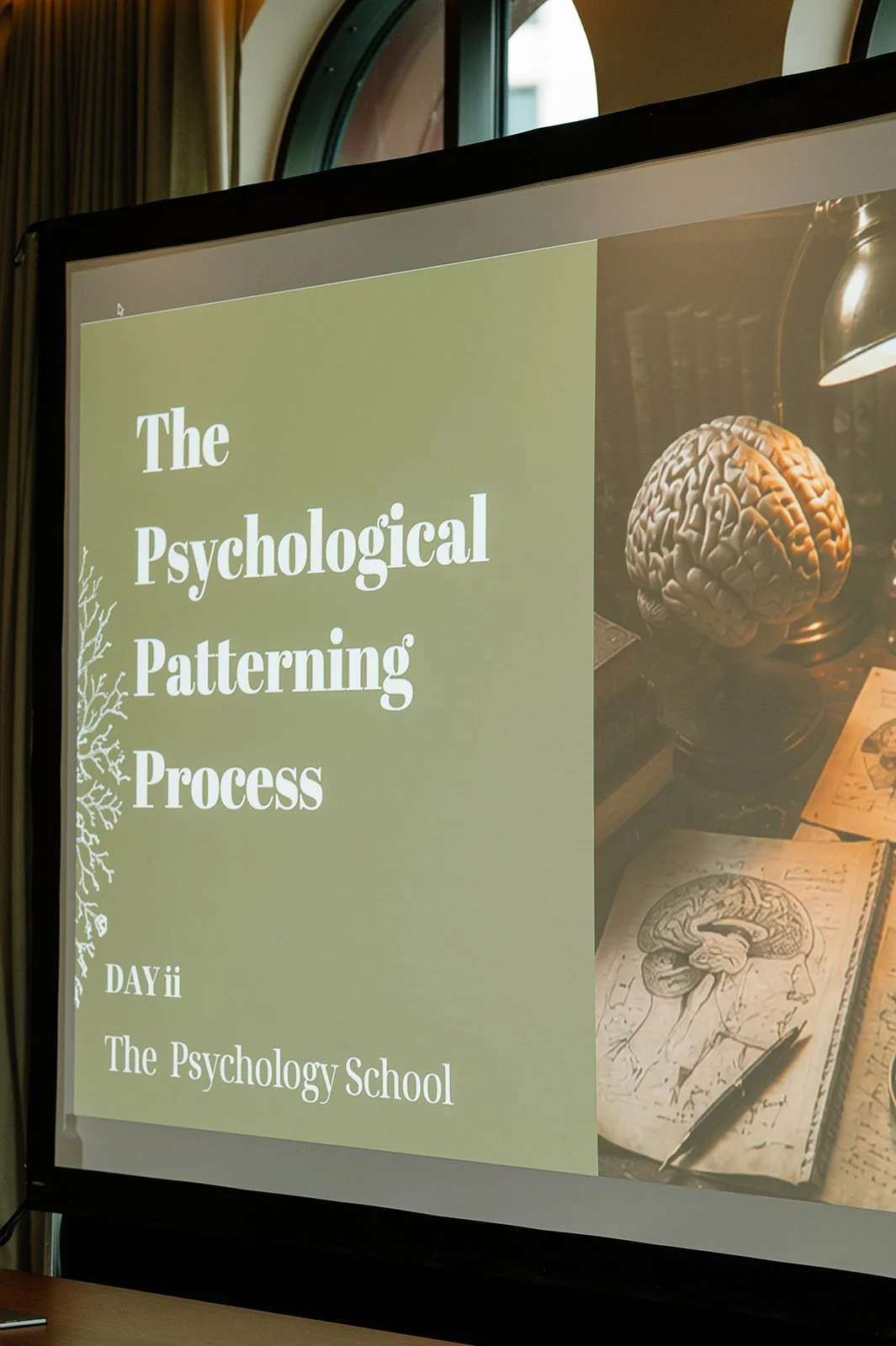
A week ago today, I was in the middle of Day Two of the very first Psychological Patterning Process training, and I think I am still revelling, and recovering, in everything that happened across those two days.
There is something quite extraordinary, and vulnerable, about taking an idea that you have thought about, worried about, tested, challenged and built over a very long period of time but behind closed doors.
The culmination of this, the bringing it to life in a a room full of people is where it starts to take shape. You know what you think it can do, you understand the thinking behind it and you can see all the connections that have led you there, but you don't really know what will happen when other people encounter it for the first time?
Last week, I got to find out…
Someone has to be first
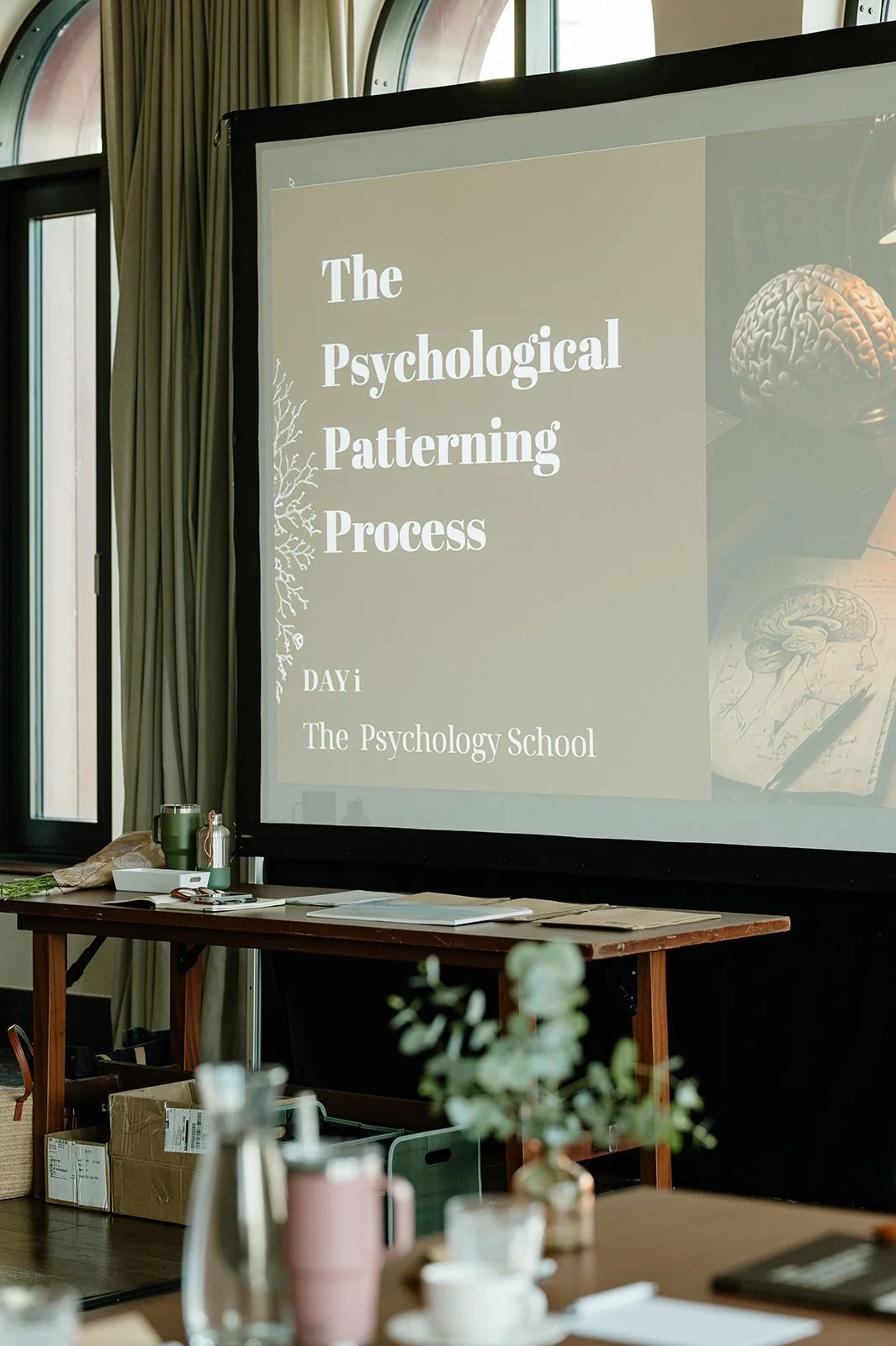
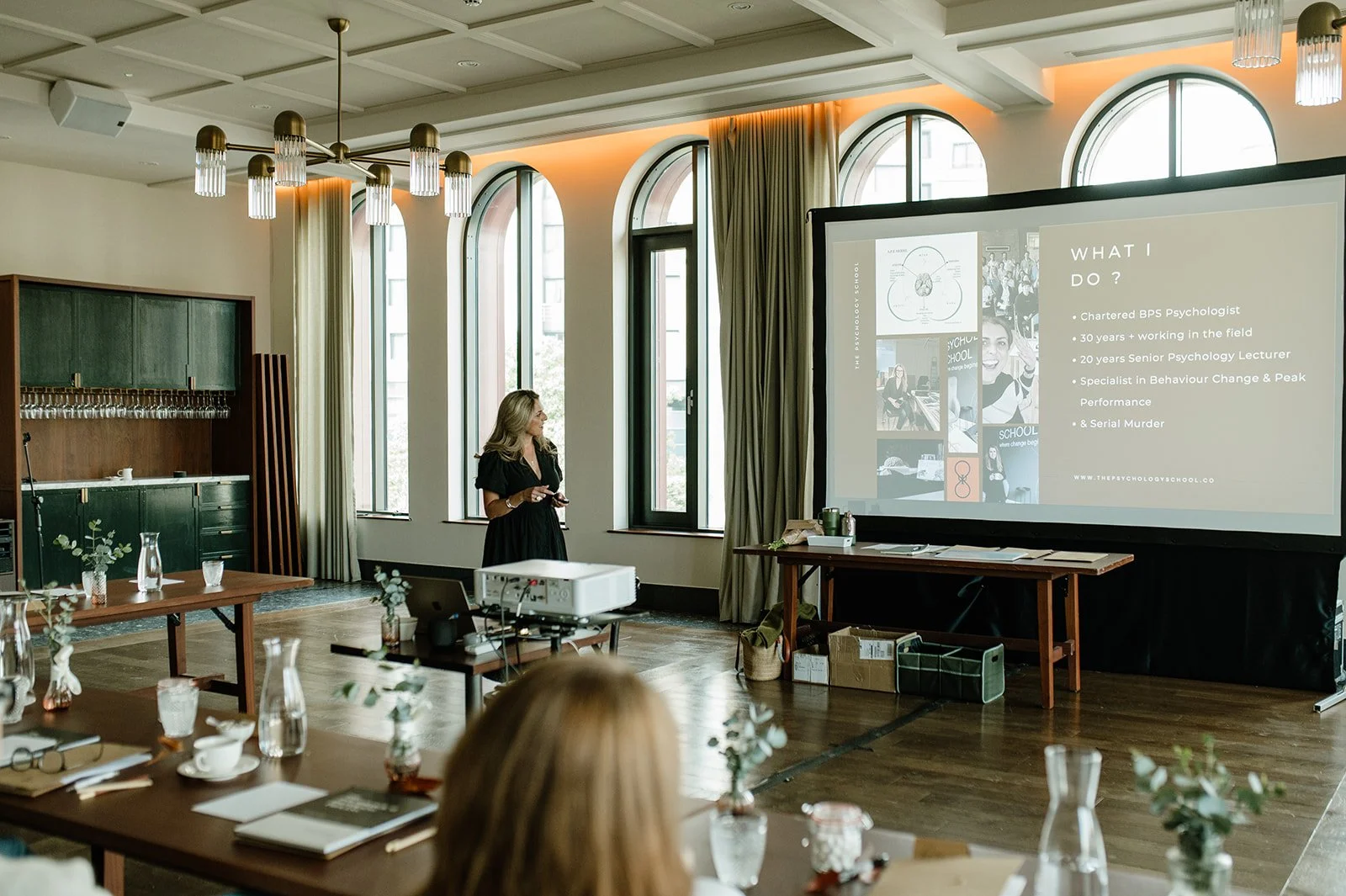
Early in the training, I put a photograph of Tenzing Norgay & Sir Edmund Hillary and on the screen, accompanied by a very simple idea, that someone has to be the first.
I did this as I was acutely aware of what I had asked this particular group of people to do. They were walking into the first ever PPP training, before there were years of cohorts behind it, before there was a well-trodden path to follow and before I could point to hundreds of people who had already done it and tell them exactly what to expect. At this point there were no testimonials about PPP and what it could do for you, so again, I was acutely aware that those in the room had decided to trust that there was something worthwhile in the idea. That something I had shared had spoken to them and made them feel comfortable enough to hand over their hard earned cash.
That willingness to be first meant an enormous amount to me.
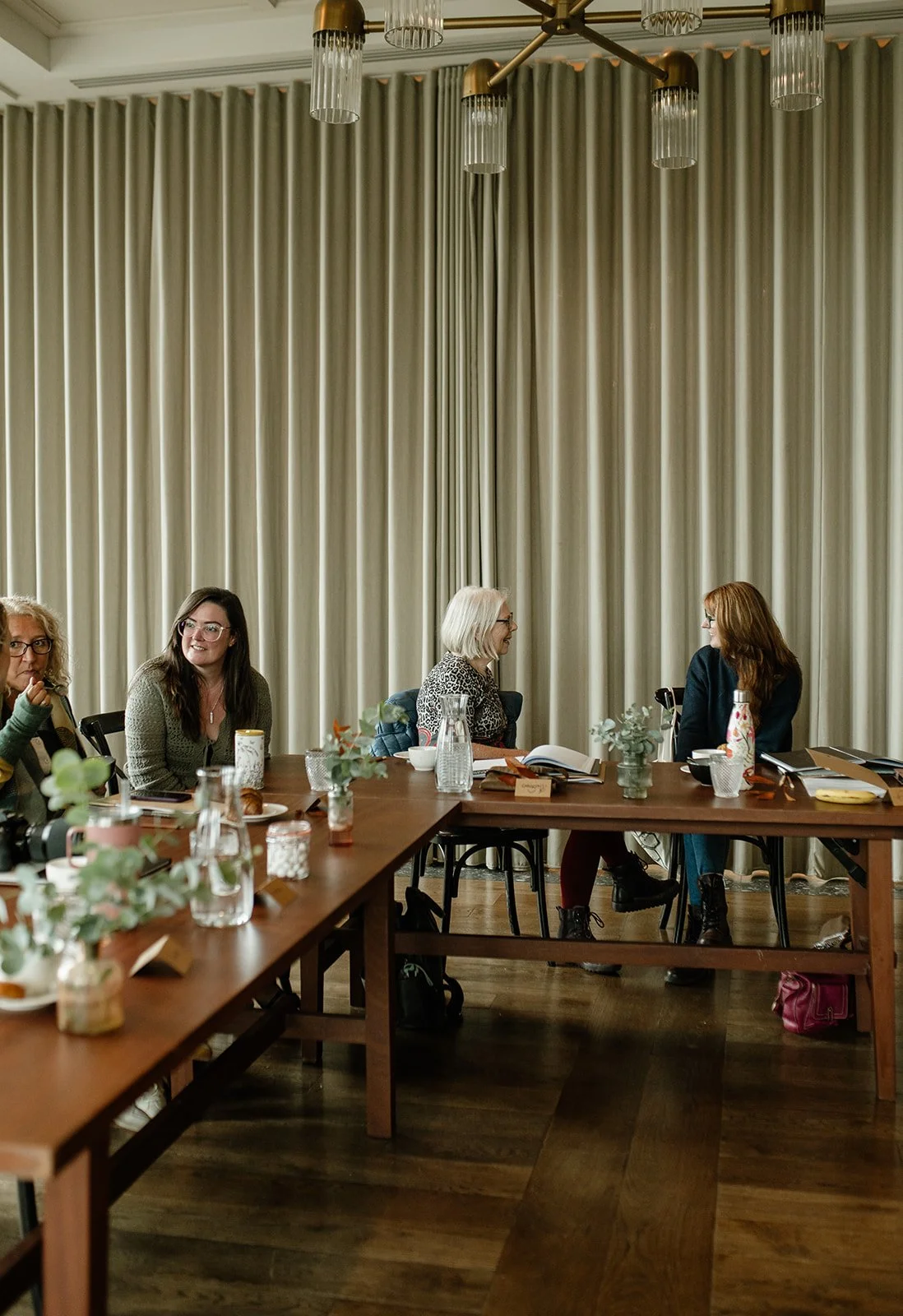
We ended up with the most extraordinary mixture of people in the room! There were coaches, people working in sports therapy, executive trainers and practitioners from other professional backgrounds, alongside a wonderful contingent of people working within Animal Welfare. Interestingly, the entire first cohort was made up of women, and the richness of the conversations that emerged from that particular group was one of my favourite parts of the whole experience.
They were nourishing conversations, but they were also challenging ones. People questioned things, brought their own experiences into the room, explored ideas from completely different professional perspectives and were willing to sit with complexity rather than looking for an easy answer. Everyone engaged fully, and there was such generosity in the way people listened to and learned from one another that made the room feel incredibly special.
That could not have been more appropriate for a training built around the idea that our job is to teach people where to look, not what to think.
Watching PPP ‘live’
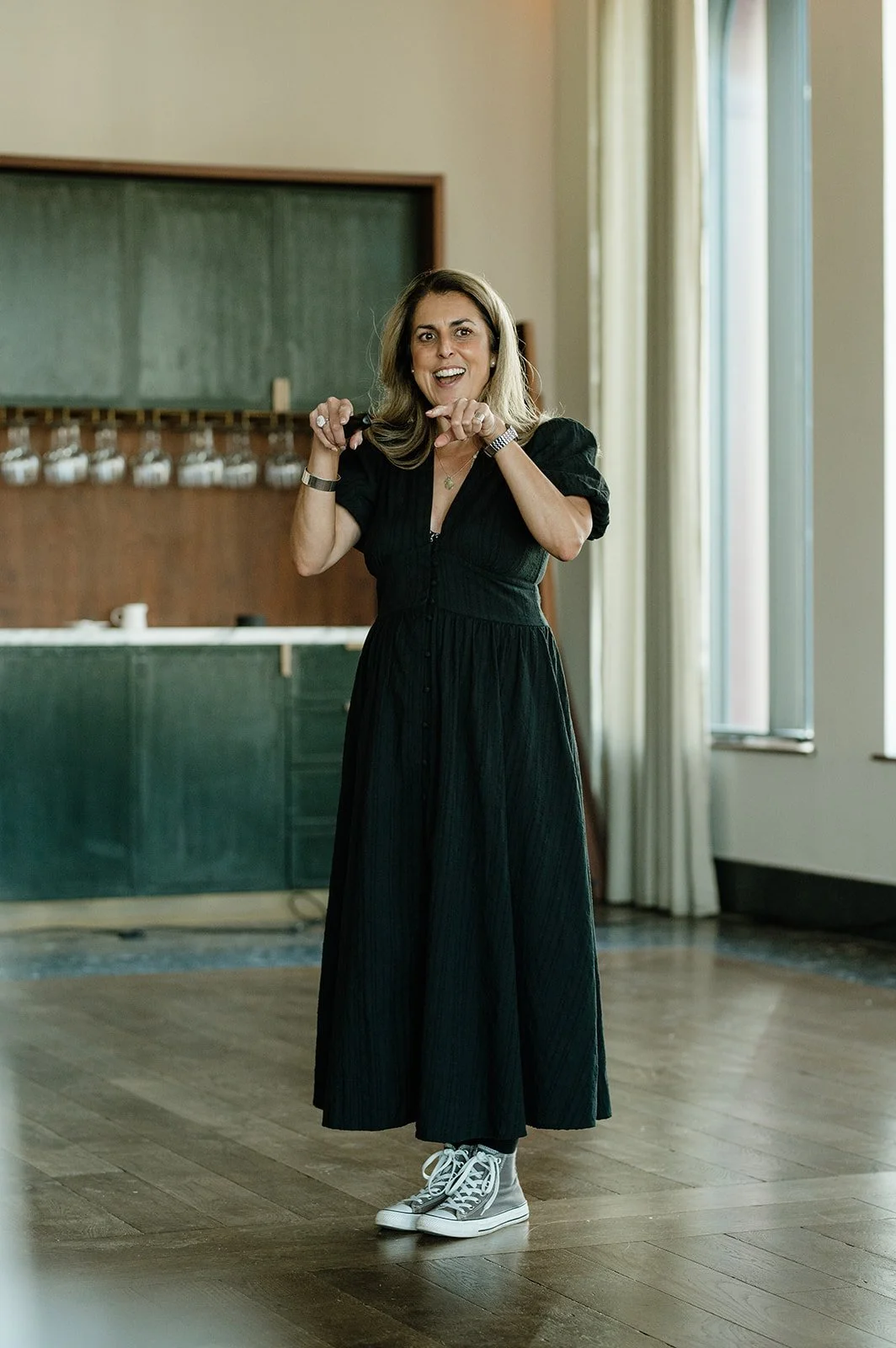
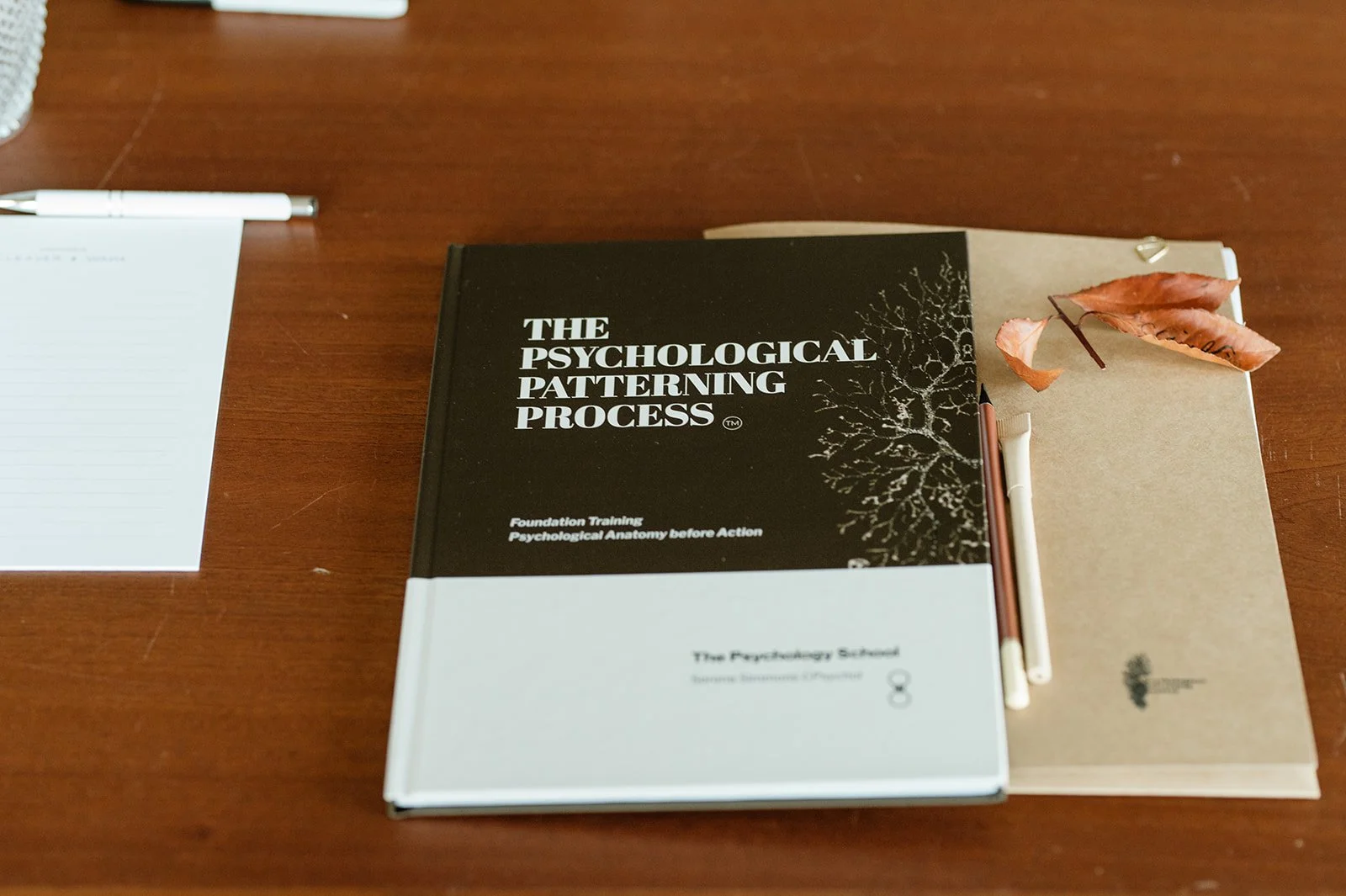
One of the things I was most struck by was how quickly people seemed to understand what I had been trying to build. Within the first hour of the first morning, people were already making comments about the way the material was shifting how they were seeing things, and I remember having this wonderful feeling of realising that they could see it too.
PPP grew out of a frustration I have carried for a long time about how readily we move towards changing people before we have properly understood the person in front of us. We see a behaviour that apparently needs to change and, often with the very best of intentions, immediately begin reaching for the intervention, the technique, the model or the strategy that might help us change it.
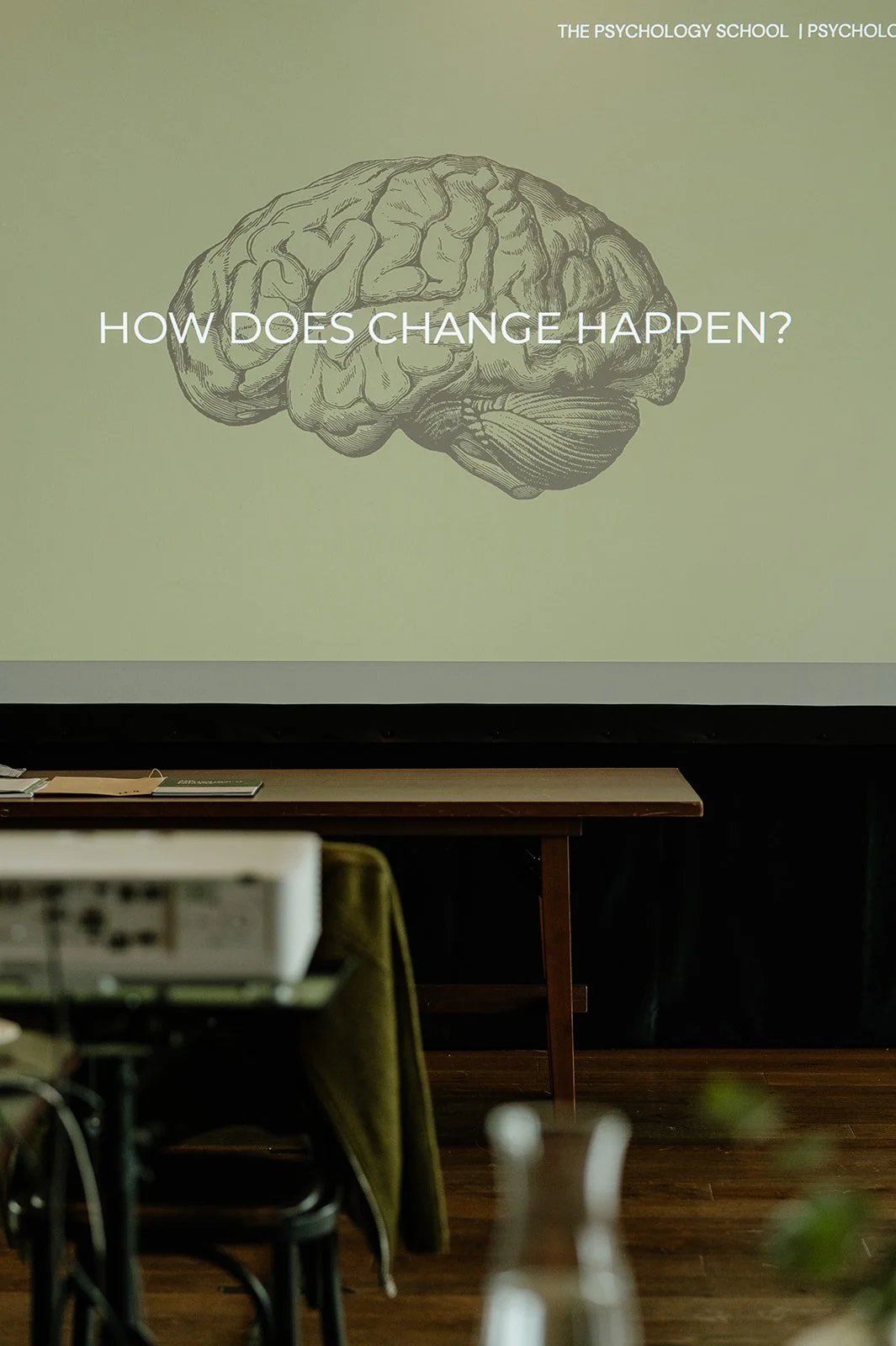
What I wanted PPP to do was ask us to stay upstream for longer and become much more discerning about what we are actually looking at before deciding what, if anything, we should do about it?
Across the two days, we explored the patterns that can sit beneath behaviour, and we looked at what happens when those things intersect with the practitioner.
We explored how we approach the work via my Vectors of Change model (more coming on this), and we worked with cases and progressively unfolding information. Also underneath all of that was a question that I think we ask far too infrequently…what if change isn't necessarily the right outcome?
Sometimes understanding the pattern beneath a person's behaviour changes the question we thought we were trying to answer in the first place. How exciting!
More than the teaching
I had also thought for a very long time about what I wanted these two days to feel like, because I don't believe that a learning experience begins when somebody puts the first slide on the screen and ends when they put the last one up.
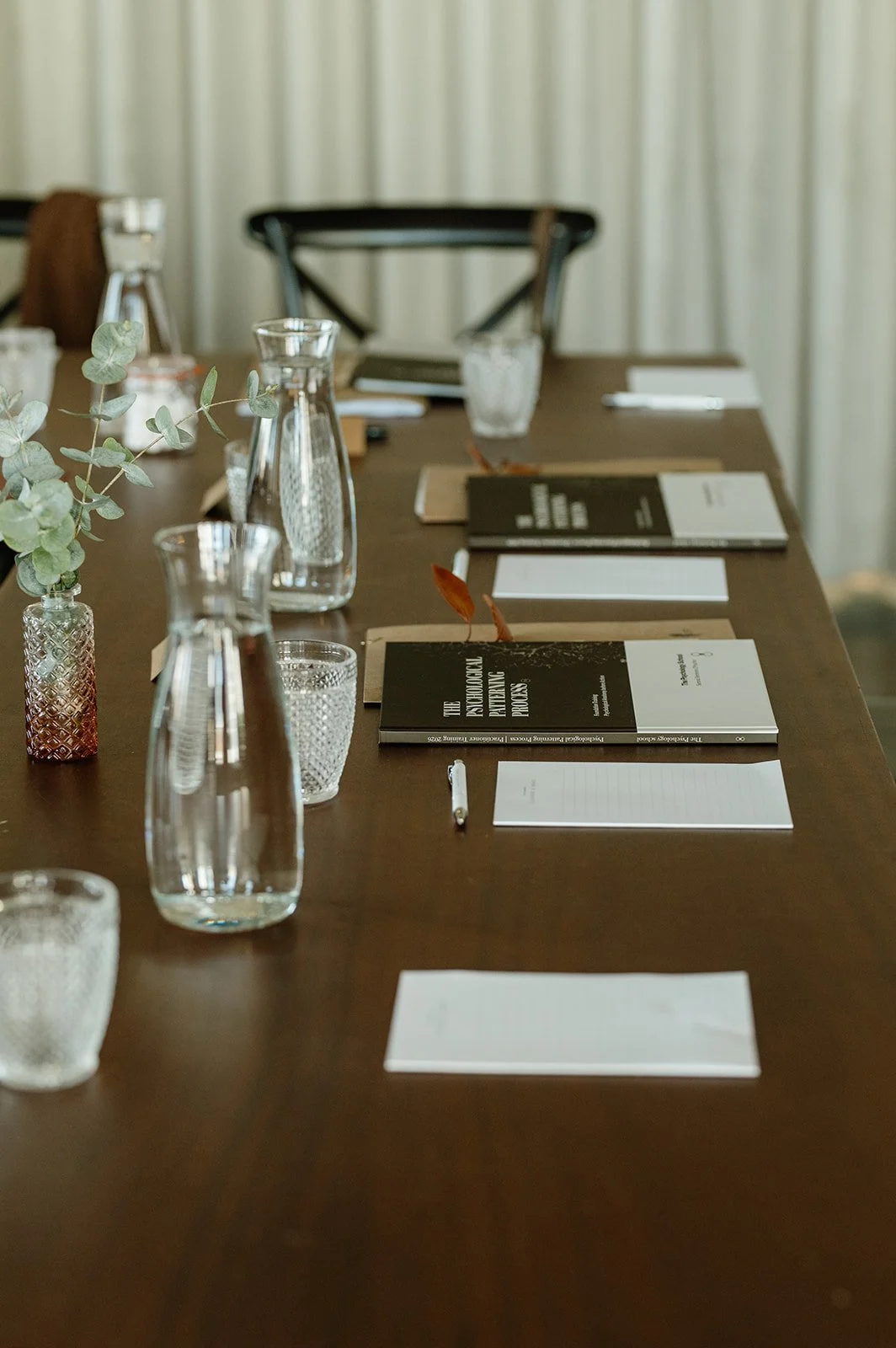
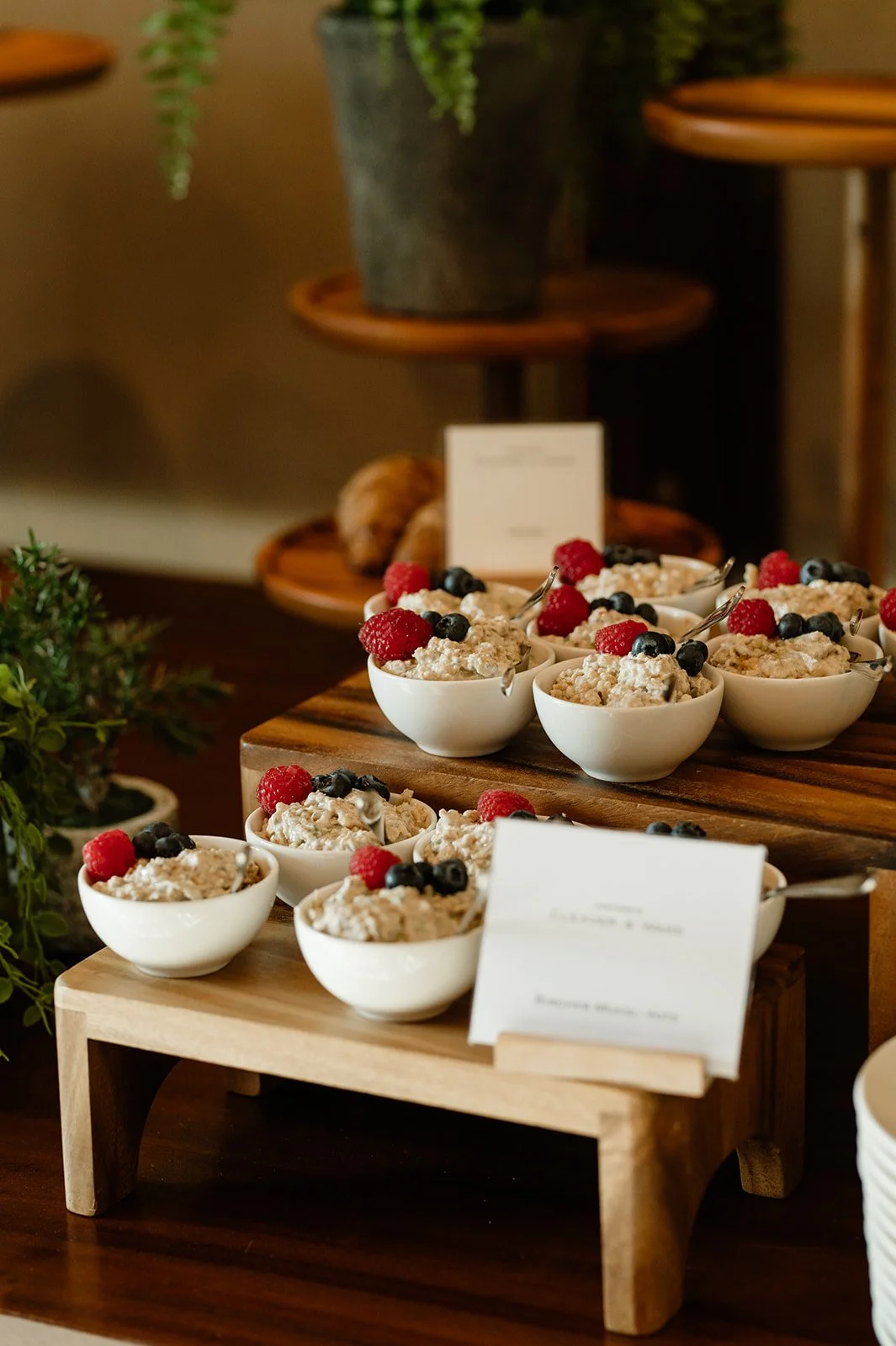
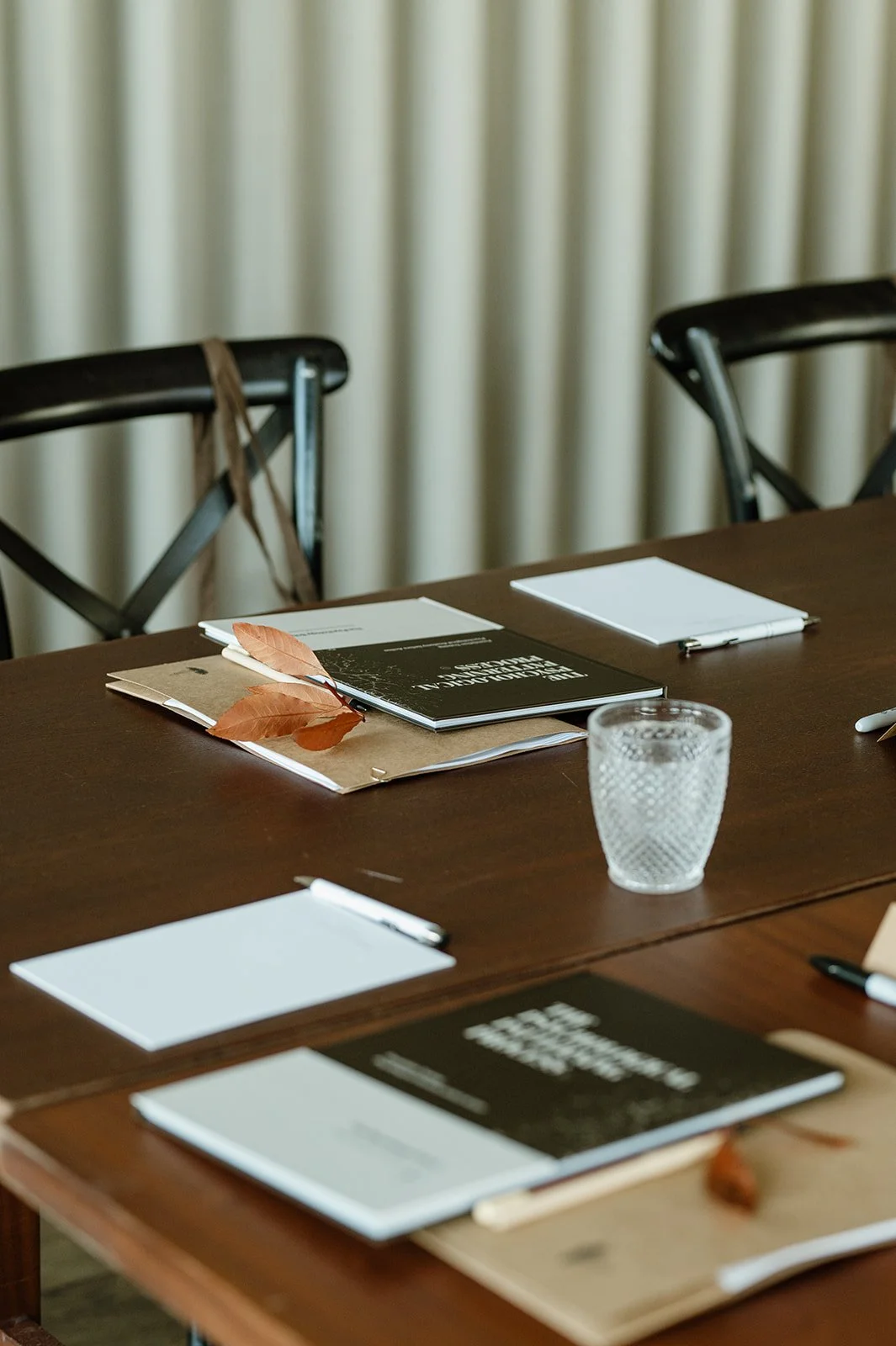
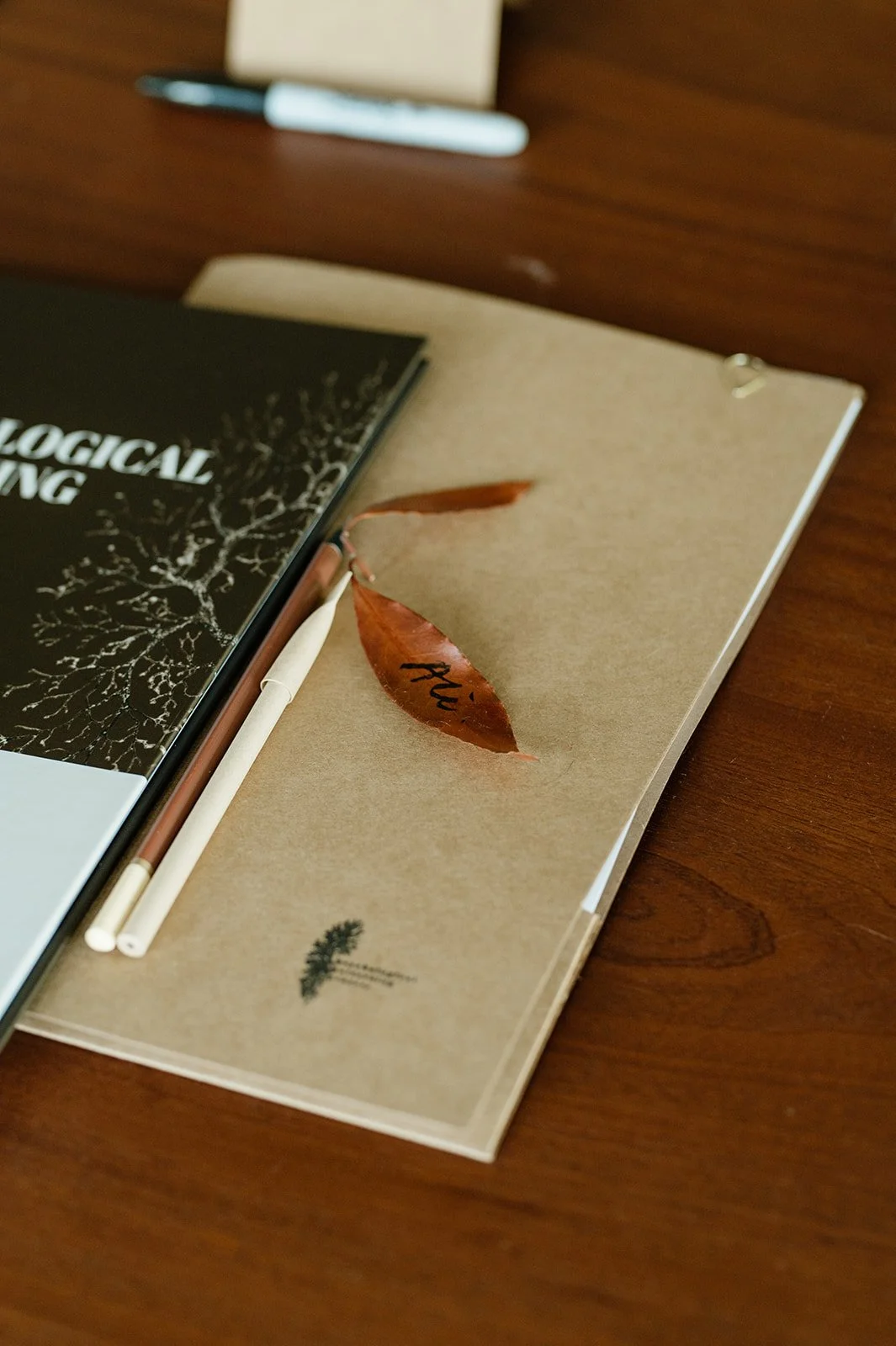
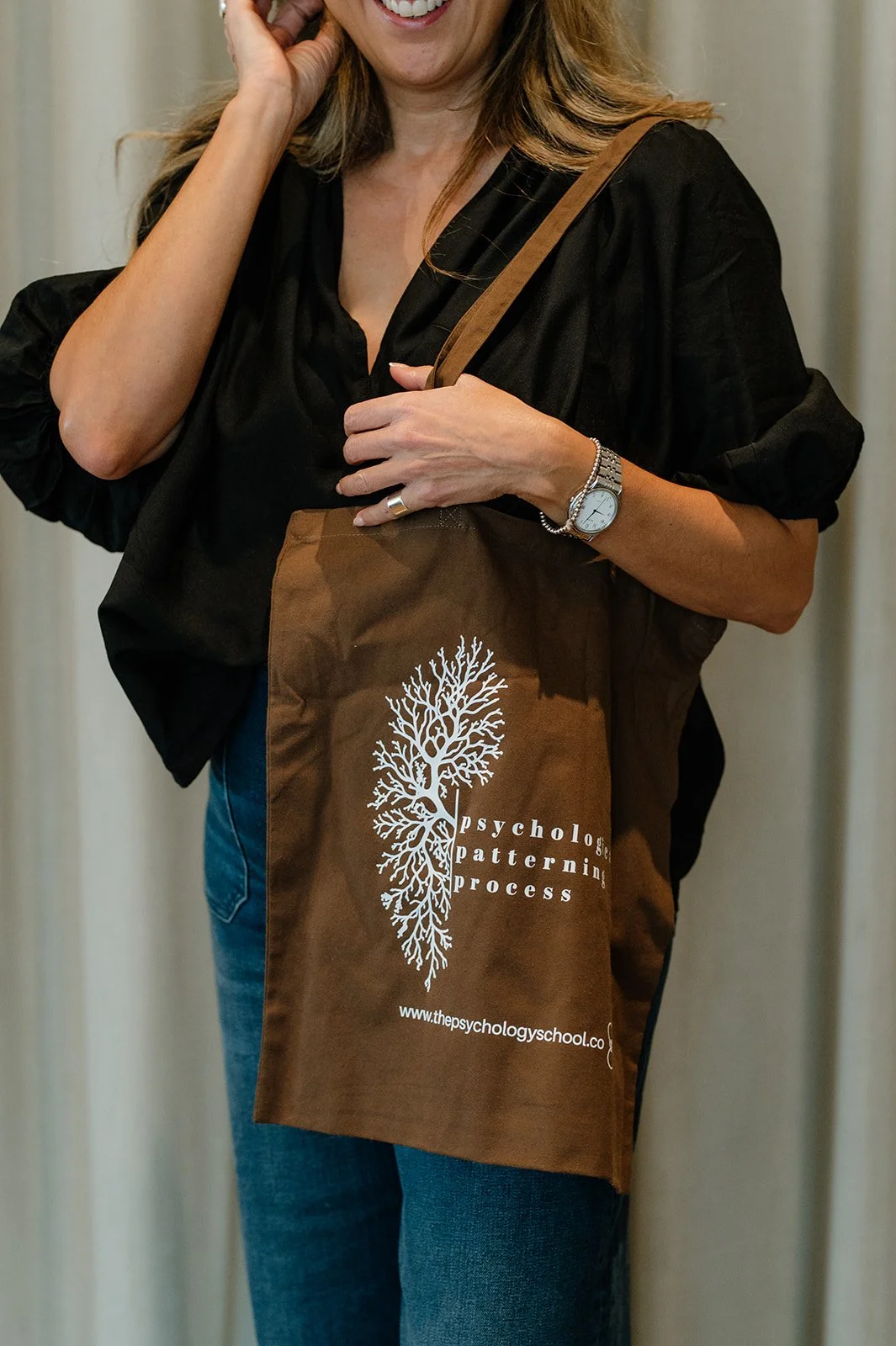
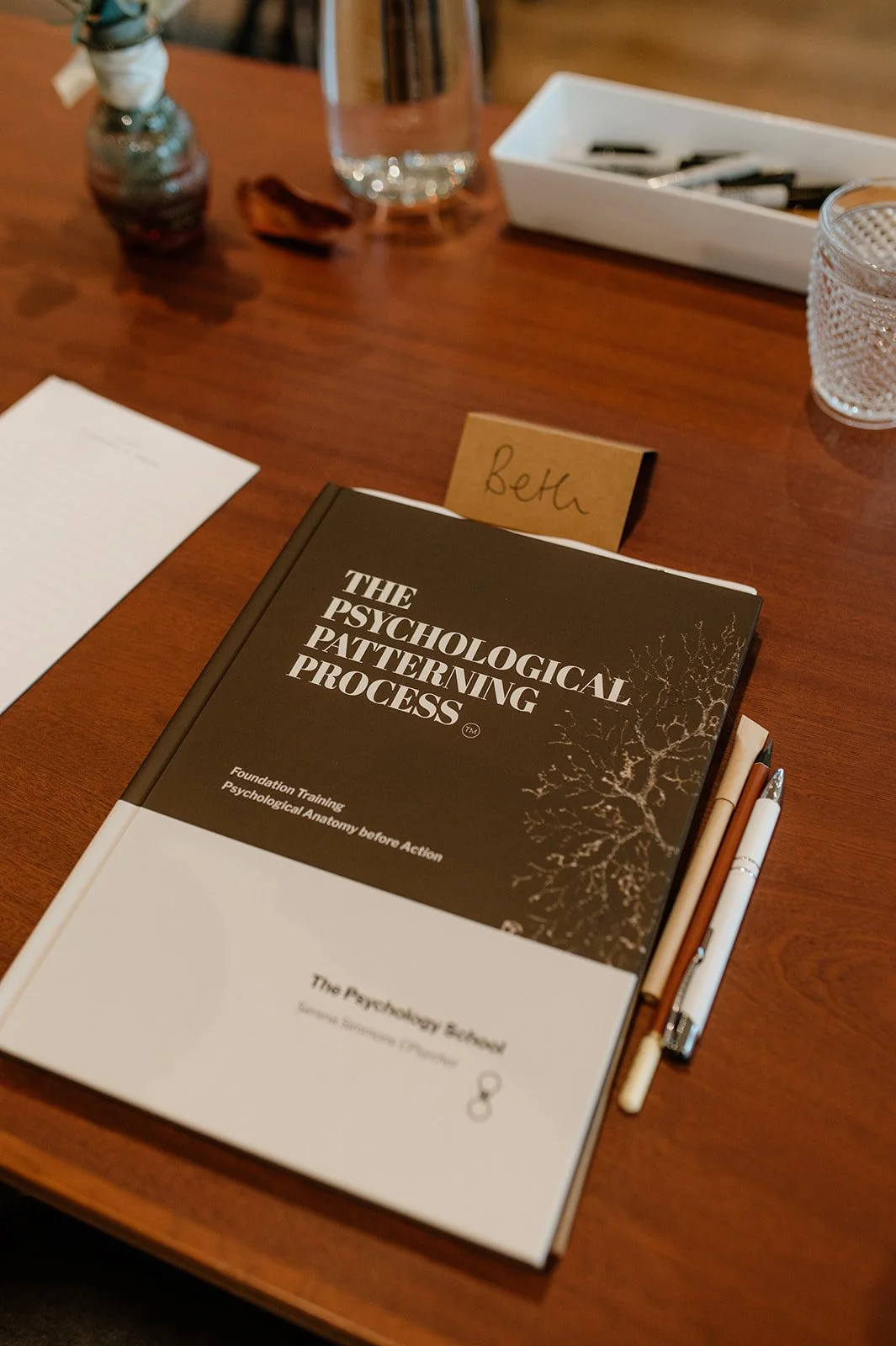
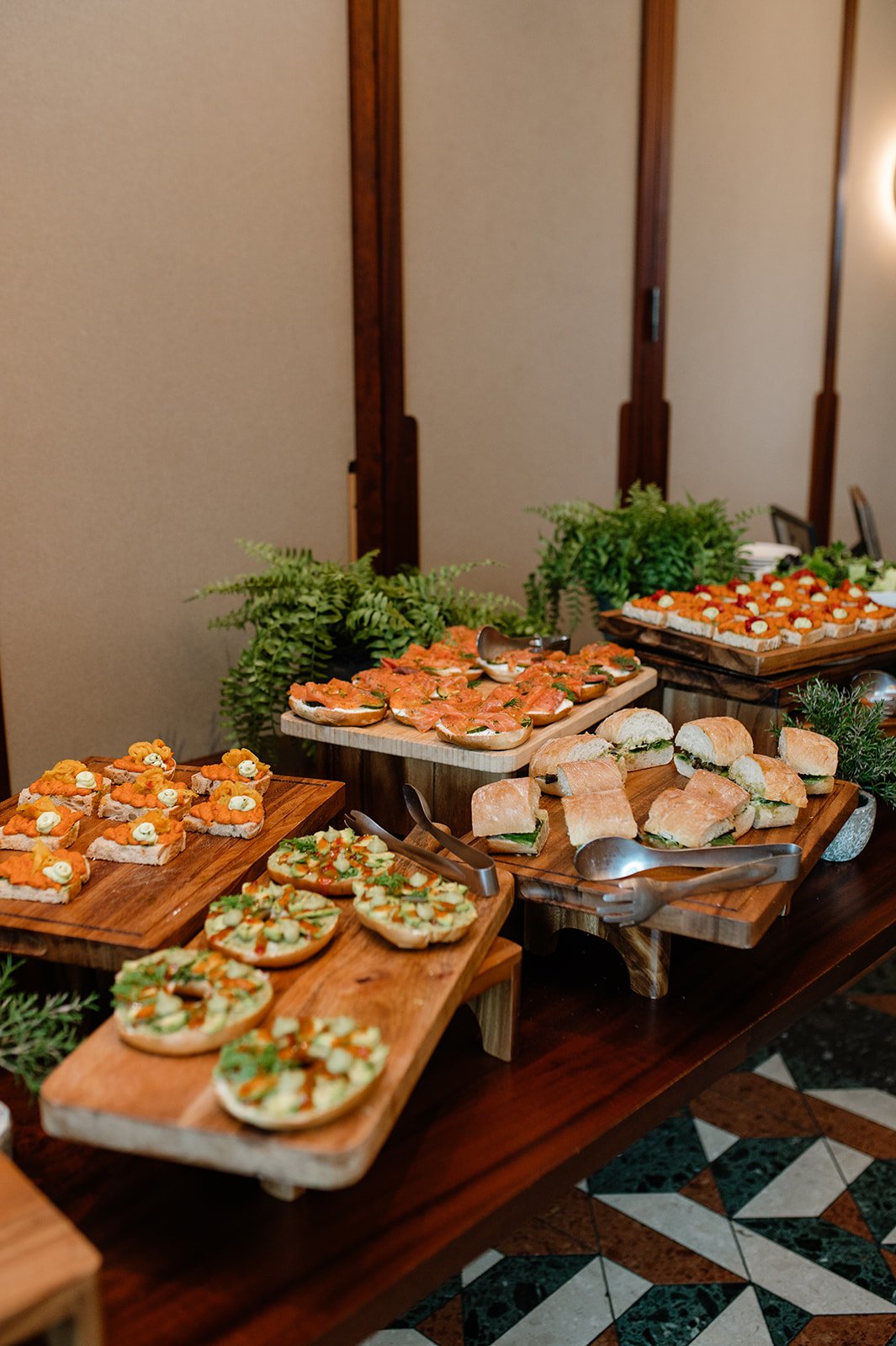
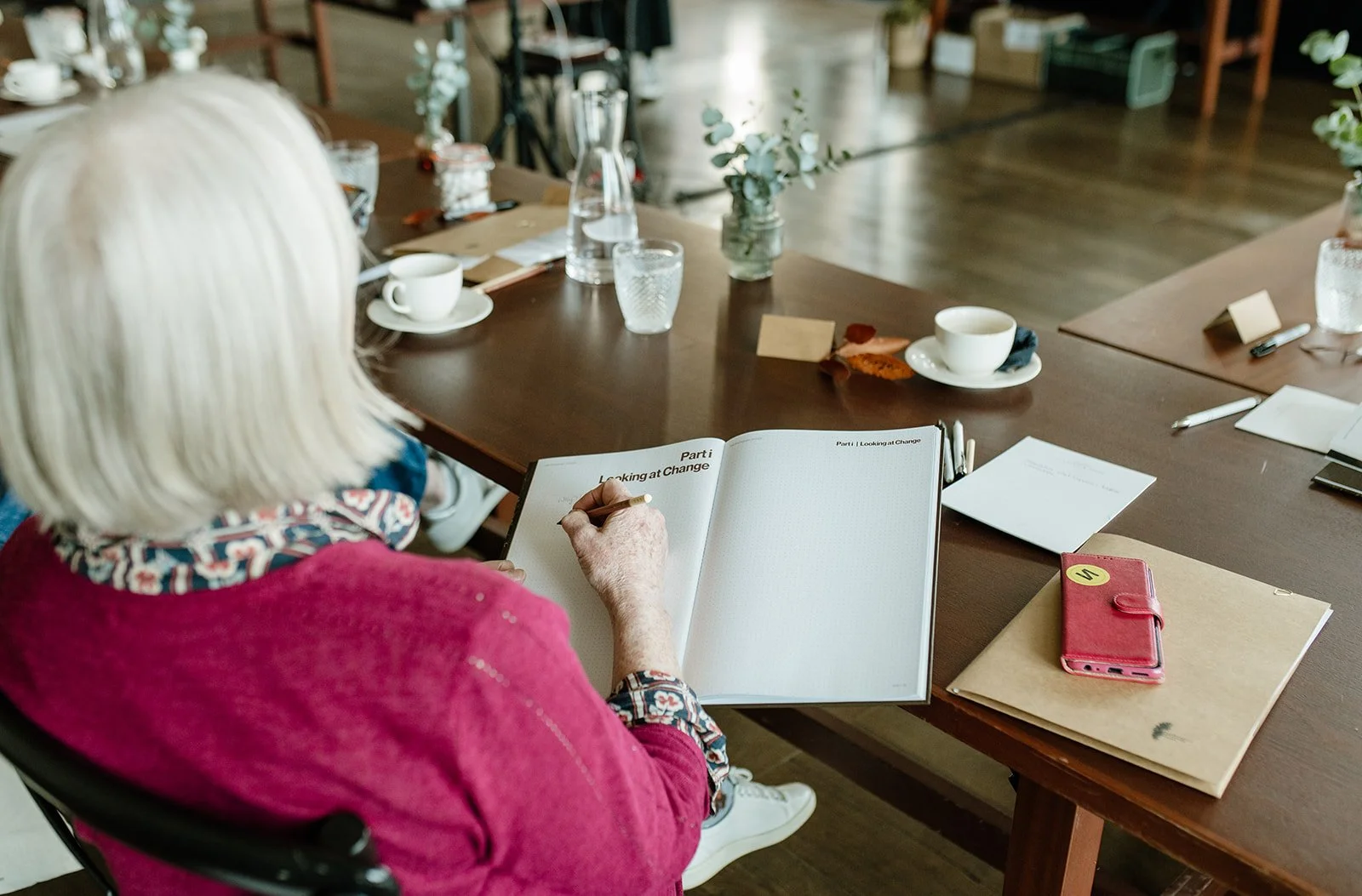
I had considered every touchpoint I could think of, from the venue and the layout of the room to the notebooks, bags and pens waiting for people when they arrived. I had thought about the food, the music, the breaks, the pacing of the days and the spaces in between the teaching, because I wanted people to feel that they had stepped into something that had been properly considered and cared about.
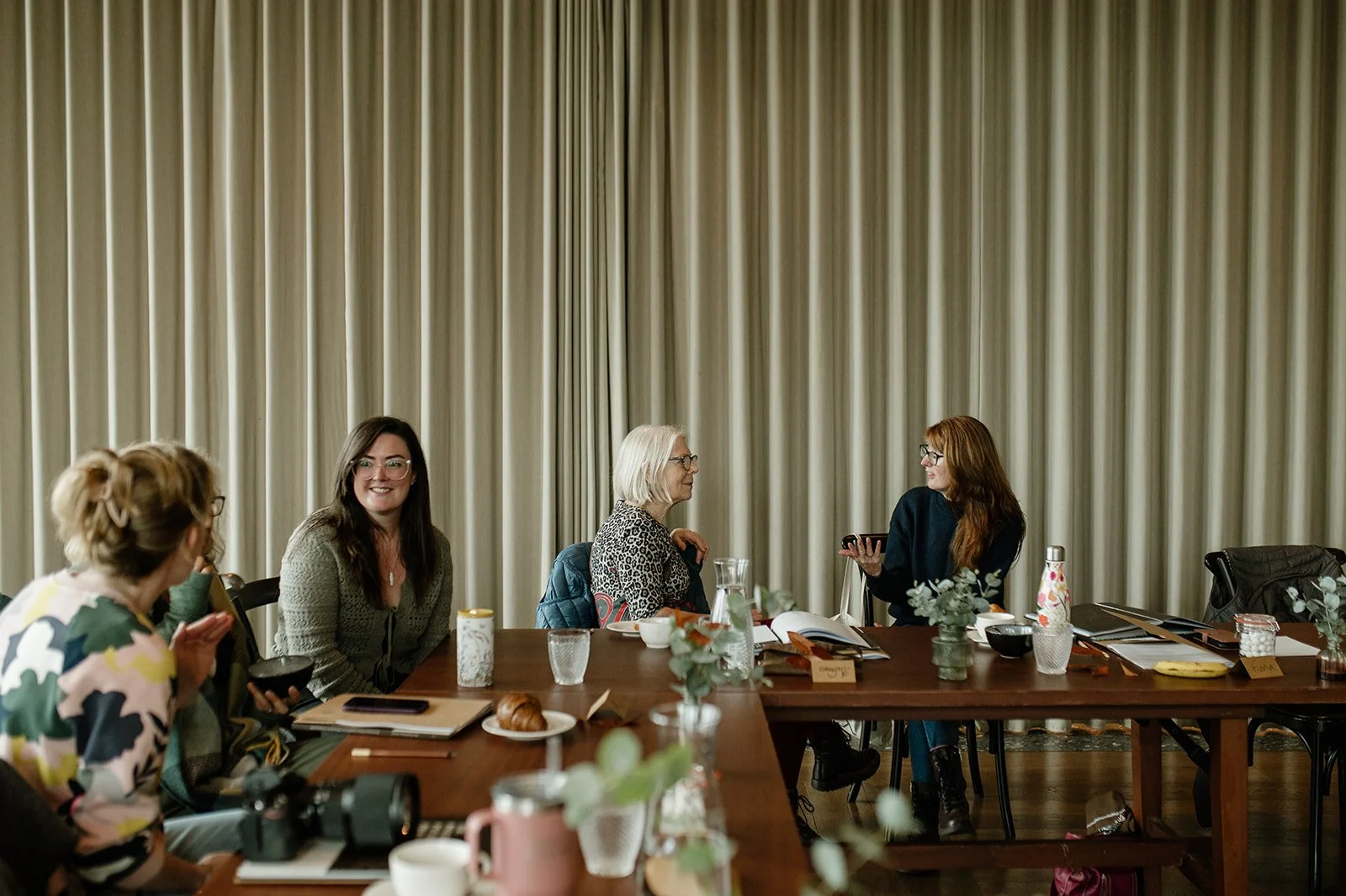
What was particularly lovely was that people noticed those things. They commented on the notebooks and the bags, the venue, the food and the attention to detail, and that probably meant more to me than they realised because none of those decisions had been accidental. There was music and laughter, wonderful food and conversations that carried on long after an exercise had technically finished. In fact sometimes it was hard to get people back in the room…which I loved actually as it’s always a lovely sign that connections are being made.
Where might this go next?
One of the challenges in creating PPP has always been deciding how much to put in and, perhaps more importantly, how much to leave out. There is simply no way I could have covered everything I would want to explore in two days, and this first training was always intended as an introduction to Psychological Patterns and to the process of learning where and how to look.
Inevitably, though, the work lends itself to going deeper. I absolutely imagine an advanced training where we spend much longer with the lenses introduced across these two days, becoming more skilled at recognising and mapping patterns, working with greater complexity and developing the discernment that comes from having more time to really sit with what we are seeing.
There is also another person in the pattern whom we haven't yet put properly under the microscope: the practitioner.
If we are serious about this being psychologically informed work, then we cannot examine the person in front of us without eventually becoming curious about the person doing the looking. Our own identities, histories, assumptions, discomforts and patterns inevitably enter the room with us, shaping what we notice, what we miss and what we believe should happen next.
That, for me, is where an advanced PPP could become particularly interesting. We would still be learning to look more deeply at the person in front of us, but we would also turn the lens around and have some fun discovering what happens when the practitioner becomes part of the map too.
I think there is a lot more digging to be done.
To the first
A week later, more than anything else, I feel enormously grateful to the people who were there.
I am grateful to every person who travelled to Nottingham, from all over the UK, Ireland and even as far as Canada. These wonderful practitioners walked into that room, trusted me with two days of their time and then gave themselves so fully to the experience. I am grateful for the questions they asked, the experiences they shared, the challenges they offered and the generosity they showed to one another. Most of all, I am grateful that they were willing to take the risk of being the first.
Ideas can exist quite beautifully, and very safely inside our minds, our notebooks, research papers, laptops for years, but eventually, if they are going to become something more, they have to meet other people. As scary as that may be.
So, to the first: thank you.
I think we started something rather special….and there’s much more to come!